Innovative LASER Glass Micro-drilling

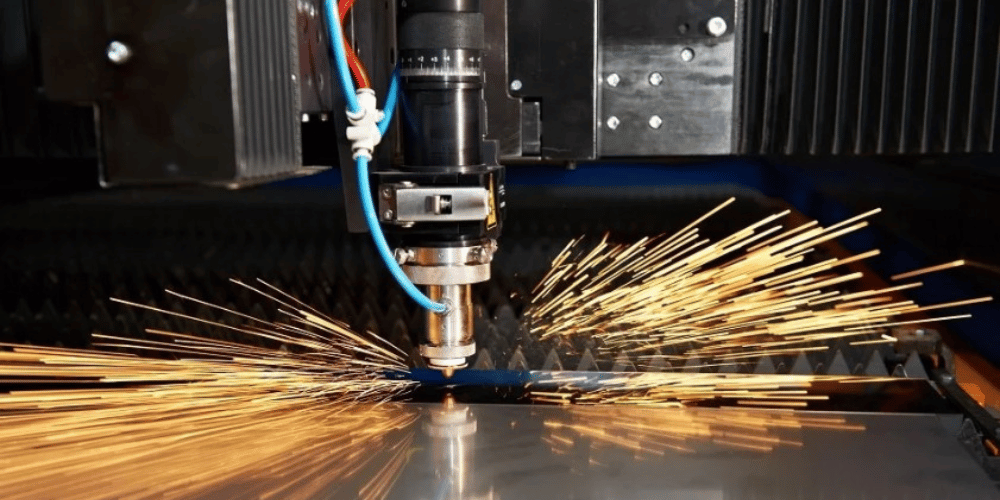
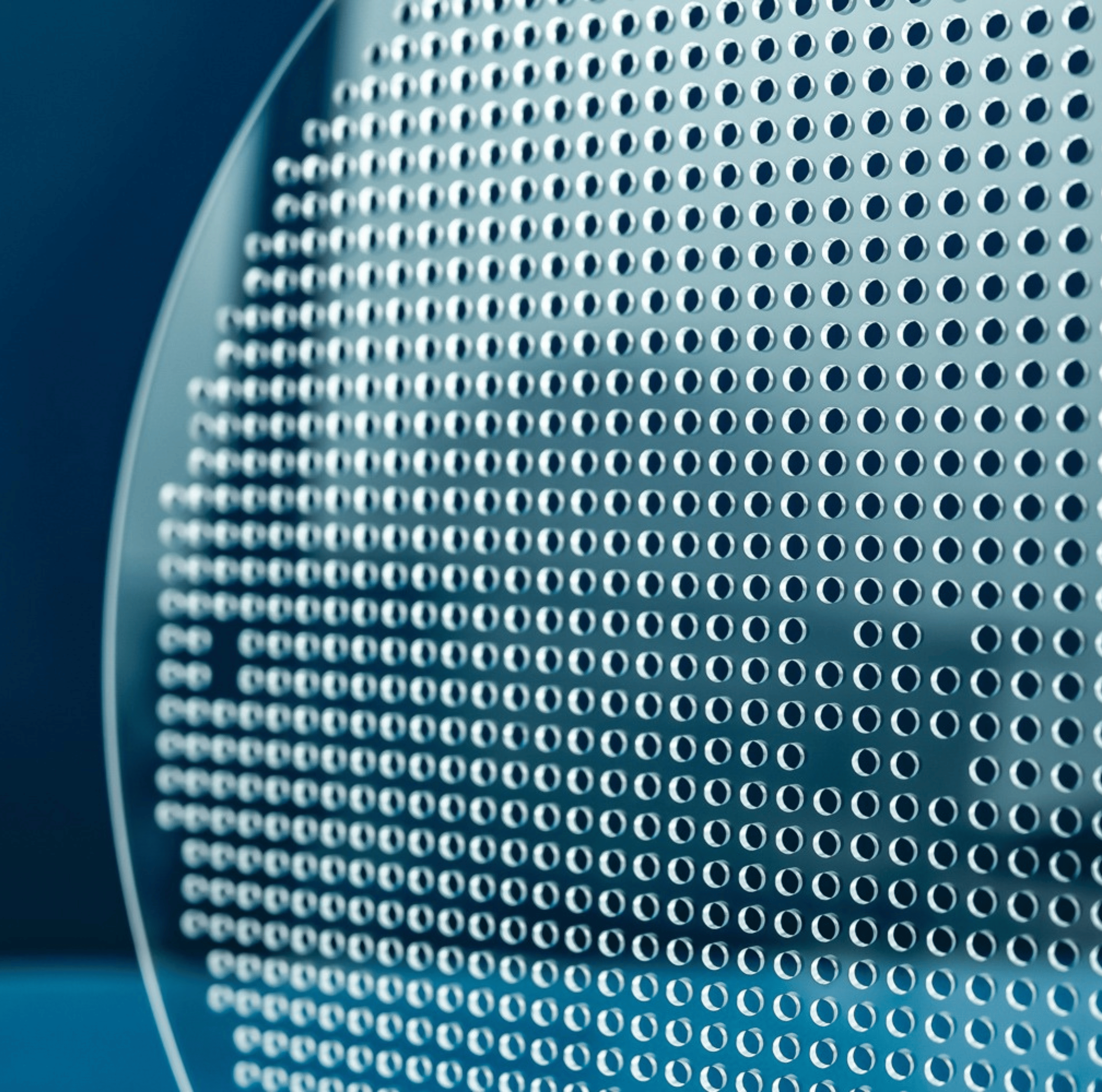
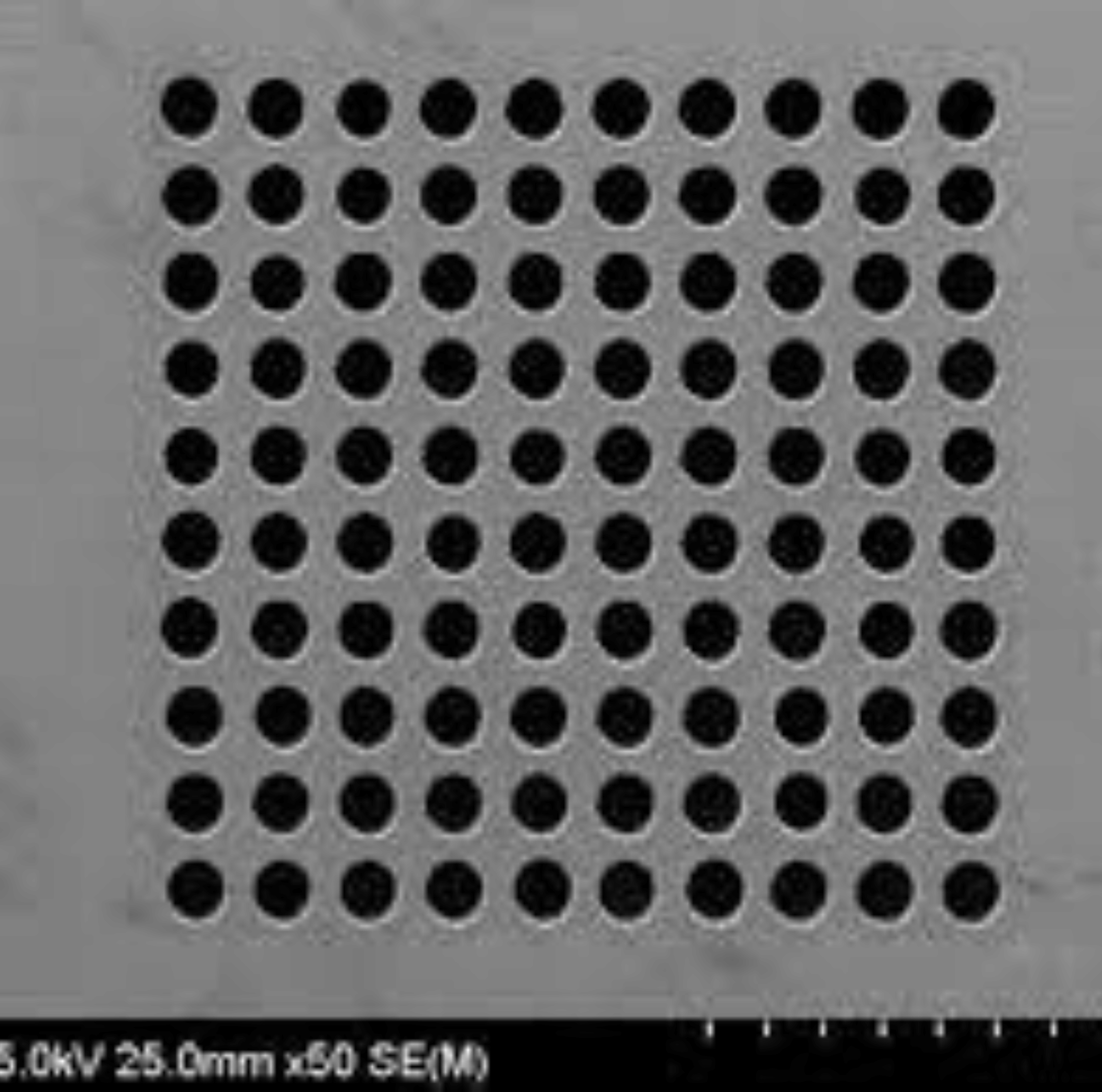
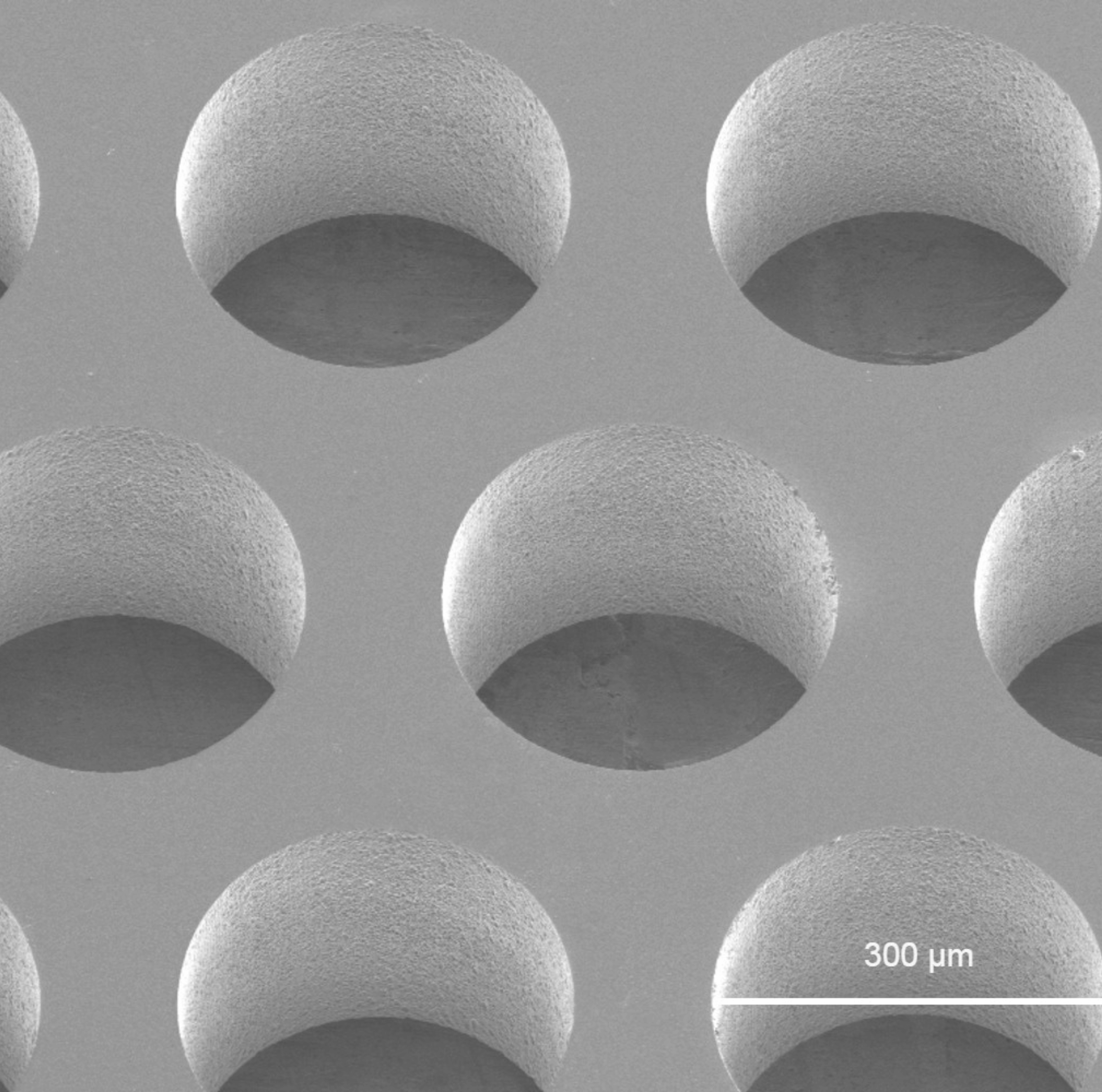
Laser micro-drilling is crucial for semiconductor, electronics, and medical industries, offering unmatched precision, speed, and versatility. It enables high-quality, high-performance components without the limitations of traditional drilling methods.
Versatility – Laser drilling works on metals, ceramics, polymers, and glass, making it ideal for industries like automotive, telecom, and biomedical. With no mechanical contact, it prevents material damage and offers various laser options for precision.
No Mechanical Stress or Tool Wear – Laser drilling eliminates tool wear and mechanical stress, preserving the integrity of delicate or brittle materials that might deform or crack under conventional methods.
High-Speed Production – Faster than traditional drilling, laser drilling is perfect for high-volume manufacturing, such as printed circuit boards in electronics or fuel injectors in the automotive industry.
Minimized Heat Affected Zone (HAZ) – Produces clean, precise holes with minimal heat impact, preserving material properties and preventing melting or distortion in heat-sensitive materials like plastics or thin metal films.
High Aspect Ratios – Achieves deep, narrow holes with high aspect ratios, essential for applications like microfluidics, where precision and depth are critical.
Applications in Emerging Technologies – Crucial for medical, semiconductor, and energy sectors, laser drilling enables advancements in drug delivery systems, microelectronics, and fuel cell production.
Environmental Benefits – A cleaner, more sustainable process that reduces waste and eliminates the need for coolant fluids, supporting industries focused on lowering their carbon footprint.

Features-
Micro Cutting

Versatility - Laser drilling can be used on a wide variety of materials, including metals, ceramics, polymers, composites, and even glass. This makes it highly versatile and suitable for many industries, including automotive, telecommunications, and biomedical fields. The process does not require mechanical contact, minimizing the risk of damage to the material. Different types of lasers (CO2, fiber, femtosecond, etc.) can be chosen based on the material type and desired hole characteristics.
No Mechanical Stress or Tool Wear - Unlike conventional drilling methods, laser drilling does not involve physical contact with the material, meaning there is no tool wear or mechanical stress. This eliminates the risk of tool failure, especially when working with hard or brittle materials. This also helps in maintaining the integrity of delicate or thin materials, which might deform or crack under conventional drilling methods.
High-Speed Production - Laser drilling can be much faster than traditional drilling methods, especially when dealing with small holes or intricate patterns. This makes it ideal for high-volume manufacturing in industries such as electronics (for printed circuit boards) and automotive (for fuel injectors or microchannels in cooling systems).
Minimized Heat Affected Zone (HAZ) - Laser micro drilling can produce small, clean holes with minimal heat-affected zones (HAZ). This is particularly important when drilling materials that are sensitive to heat, as it helps preserve the material's properties and avoids distortion or melting. This makes the process ideal for drilling materials with low melting points, like plastics or thin metal films.
High Aspect Ratios - Laser micro drilling is capable of producing holes with very high aspect ratios (the ratio of depth to diameter), which is difficult to achieve using traditional mechanical methods. This is especially valuable for applications like microfluidics, where deep, narrow channels are often required.
Complex Hole Patterns - The flexibility of the laser system allows for intricate and complex hole patterns that would be difficult or impossible to achieve with traditional mechanical drilling. For instance, it can create angled, tapered, or overlapping holes with a high degree of accuracy.
Applications in Emerging Technologies - Laser micro drilling plays a crucial role in advancing emerging technologies such as medical devices (implantable devices, drug delivery systems), microelectronics (sensors, semiconductors), and energy (fuel cell production, micro-turbine manufacturing). In the medical field, laser drilling is used for creating tiny holes in stents, microchips for drug delivery systems, and even for creating controlled perforations in tissue for medical procedures.
Environmental Benefits - Laser drilling is a cleaner process, as it does not require coolant fluids or generate as much waste compared to conventional machining methods. This makes it more environmentally friendly, especially for industries looking to reduce their carbon footprint.
“The team at @GIT Gaayathri Innovative Technologies, innovation and sustainability are at the heart of everything we do. We are committed to delivering transformative solutions that empower industries and drive progress.Thank you for trusting us to shape a smarter, more advanced future together."
- Gayathri Uppala , CEO & Managing Director, GIT
Next Service
Edge Polishing
Prev Service
Ultra-thin Cutting